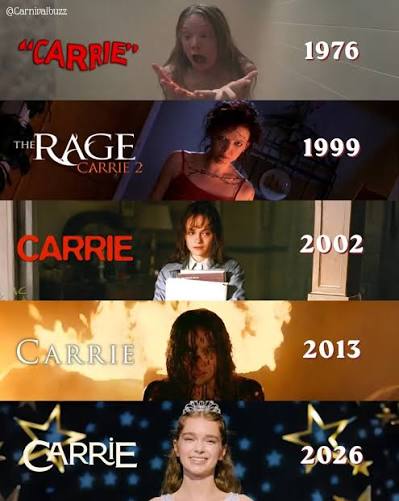



























Carrie is a classic horror story originating in 1974 with Stephen King’s novel of the same name. A friendless teenage girl from an abusive religious household possesses telekinetic abilities and eventually takes brutal revenge on her tormentors. The premise presented in the novel is carried out expertly by King through his writing, and holds up well enough in the 1976 Brian de Palma adaptation despite a few noticeable differences. Every adaptation following, for several reasons, seems to fall short. They tend to add unnecessary elements, erase Carrie’s original characteristics, and create a sanitized depiction of the events presented in the novel. This most recent example is no different, and may be the absolute worst offender of these issues.
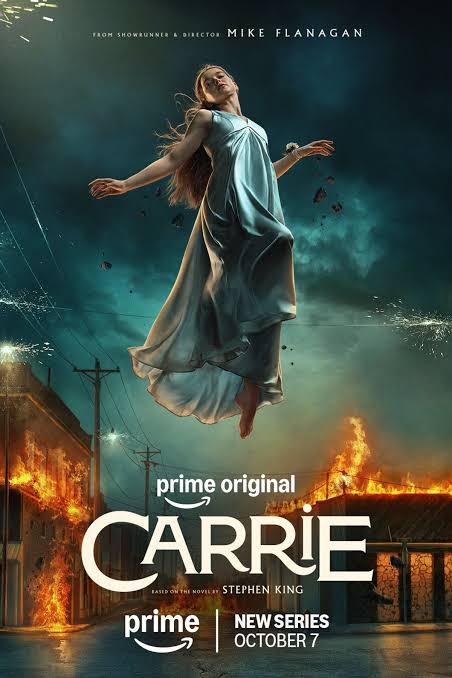
Carrie (2026) is the only television adaptation to date, and given the increase in screen time, was expected to contain new plot points or characters. The inclusion of modern technology was polarizing to viewers, with many enjoying the new spin on an old story while others believed it changed the story in too extreme a way. I initially liked how the writers handled the topic of cyberbullying in the first few episodes, but it eventually fell apart and started to feel like an entirely different story. Along with that, Carrie’s mother Margaret White campaigning online for parental rights is so far removed from anything that would happen in the original novel that it’s almost laughable. Margaret White is characterized as a paranoid shut-in who subjects her daughter to vicious abuse, yet in the TV adaptation, she’s an overbearing and manipulative mother at worst. Her and several other characters were completely defanged in the adaptation, especially Carrie herself. In the novel, you are meant to come away with the uncomfortable realization that were Carrie a real person, you’d likely mock and dislike her the same way her classmates do. She is abrasive and annoying, on top of being physically unattractive. The point is that Carrie White is still a victim in spite of her flaws who is failed and abused by everyone around her, eventually culminating in the annihilation of everyone she knows. The show’s portrayal of her as a meek, kindhearted bookworm who is eventually well-liked even within the show’s own story takes away from the novel’s tragedy. It lets us know as viewers that the only acceptable victim worth depicting is a perfect victim. This is most exemplified in the prom massacre where she isn’t even in control of her own body, but it is prevalent throughout the entire show. Carrie’s actress Summer Howell does the best she can with the script’s limited nuances, and delivers a great performance in a vacuum, but the way her character is written for the show removes all of her agency and beautifies the tragedy that is Carrie. My biggest complaint in terms of changes, though, is the added character of Emaline. Shoehorning her into the story offers nothing of value and, in my opinion, actively detracts from it. Her dialog is dated and cringeworthy, the twist involving her is unnecessary, and the choice to leave her and Carrie alive at the end goes against everything set up in the novel and only serves to leave the door open for a second season.
In conclusion, Carrie (2026) is so fundamentally different from the source material that the showrunners should have just introduced it as its own separate IP. Judging the show on its own merits, one can be entertained, but comparing it to the novel reveals just how little the writers cared to create a faithful adaptation. If you are a fan of King’s original work, I would not recommend this show under any circumstances as you will likely come away as irritated as I was.