


















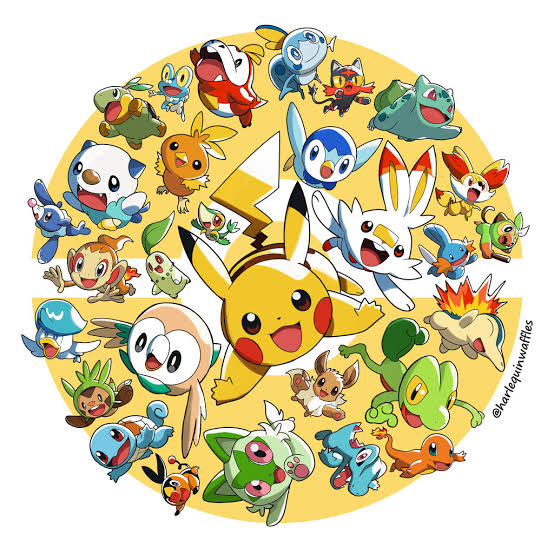
Thirty years ago, a monochrome Game Boy screen invited people into tall grass with a simple choice: Bulbasaur, Charmander, or Squirtle. After three decades, three generations of fans, and over a thousand species, Pokémon has spent 30 years bringing joy to millions, growing from a pixelated adventure into a global phenomenon that shows no signs of slowing down.
A little history on Pokémon: Pokémon was created by Satoshi Tajiri, and the original name for the franchise was not Pokémon. It was Pocket Monsters. He got the idea because he liked catching bugs, and as a child he was even nicknamed “Mr. Bug.” According to Pokémon.com, “Tajiri started out writing a fan magazine about video games called Game Freak. Later, he turned it into a game development company with his friend Ken Sugimori, who drew the first Pokémon designs. Their dream was to make a game where players could catch, trade, and battle little creatures like bug collecting, but in a digital world.” This idea eventually became the Pokémon games that millions of people know today.
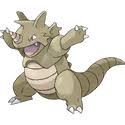
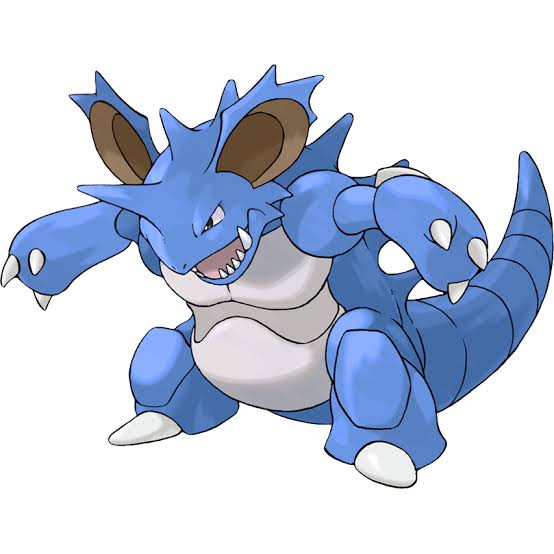
There is a huge debate in the Pokémon community about which Pokémon was designed first. Some say the first character was Rhydon, who is a Rock-type Pokémon, and some say it was a character called Diglett. According to Shmuplations, “…I’ll try drawing some kaijuu … but I realized I had never drawn monsters like that before…, but I managed to create about 20 or 30 different designs: some were cute, some were cool, some were slithering, and some, you couldn’t really tell what they were. Rhydon (Saidon) and Nidoking were two of the designs that survived from those first drawings.” So technically, Rhydon and Nidoking were among the original Pokémon designs, or “Pocket Monsters.” It is interesting to think that some of the Pokémon that were designed very early are still recognizable and popular today.
Over the years, Pokémon has evolved from having 151 Pokémon in its first generation to having over 1,000 Pokémon. Bulbasaur, Ivysaur, Venusaur, Charmander, Charmeleon, Charizard, Squirtle, and Wartortle are all considered first-generation Pokémon because they were first released in the game Pocket Monsters: Red and Green. These games were released in Japan in 1996 and later came to other parts of the world as Pokémon Red and Blue. These first games started something much bigger than just a video game. They introduced players to a world where they could explore, catch Pokémon, train them, and battle against other trainers.
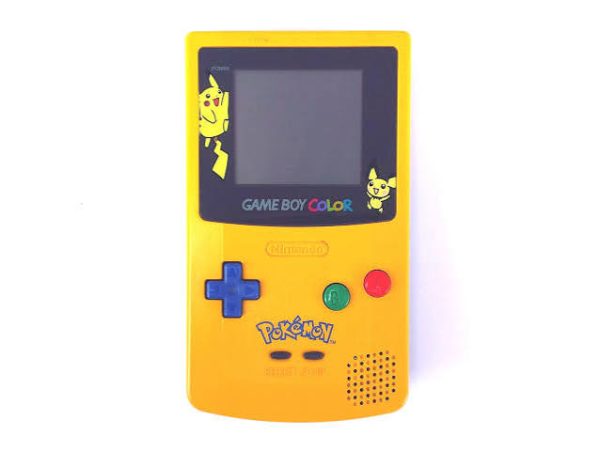
One of the biggest things that made Pokémon different from other games was the ability to trade Pokémon with other players. The original Game Boy games could connect to another Game Boy using a link cable. This allowed players to trade Pokémon and complete their Pokédex. Some Pokémon could only be obtained in one version of the game, which encouraged players to trade with their friends. This made Pokémon more social because it was not just about playing by yourself. You could share the experience with other people.
Pokémon also became much bigger than video games. It eventually expanded into a trading card game, a television show, movies, toys, clothing, books, and many other products. The Pokémon animated series helped introduce characters like Ash Ketchum and Pikachu to people who may have never played the games. Pikachu especially became one of the most recognizable Pokémon characters in the world. The show also helped Pokémon become something that different generations could enjoy together.
As the years went on, new Pokémon games continued to come out. Each new generation introduced a new region, new characters, and new Pokémon. While some fans preferred the original 151 Pokémon, other fans enjoyed discovering the newer Pokémon. Today, there are more than 1,000 different Pokémon, which shows just how much the series has grown since its beginning.
Pokémon has also changed with technology. The original games were played on the Game Boy with simple graphics and a limited amount of space. Today, Pokémon games have much more detailed graphics and larger worlds that players can explore. Even though the games have changed, the main idea of catching, training, and battling Pokémon has stayed the same.
After 30 years, Pokémon is still one of the biggest video game franchises in the world. What started with Satoshi Tajiri’s idea of turning his love of bug collecting into a video game became something that has lasted for generations. From the original 151 Pokémon to more than 1,000 today, Pokémon has continued to grow while keeping many of the same ideas that made people love it in the first place. Whether someone started playing on an old Game Boy or discovered Pokémon through newer games, cards, or the television show, Pokémon has become more than just a game. It has become a part of childhood and a franchise that continues to bring people together.