











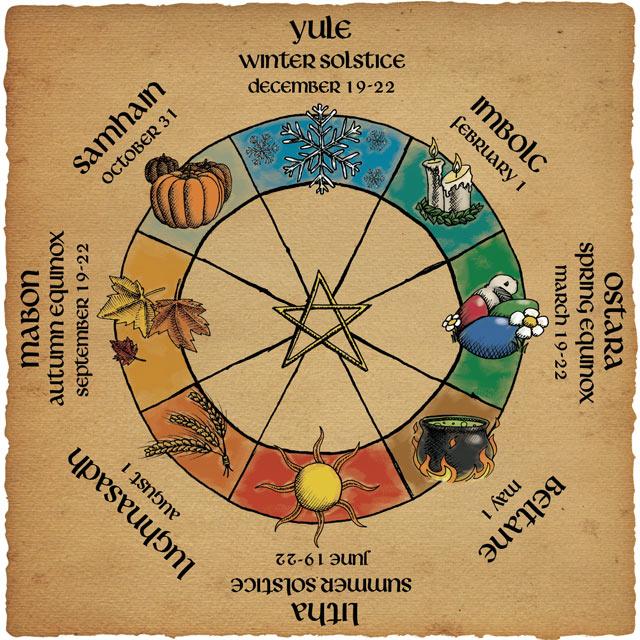
Many holidays we cherish and celebrate today have origins that are much older than the modern celebrations we recognize. From the Christmas that we all know with evergreen trees, wreaths, and twinkling lights to the fun, ghoulish costumes and buckets of candy for Halloween, holidays connect us all culturally. Many of these beloved holiday traditions can be traced to the roots of ancient rituals and the celebrations of seasonal shifts.
Christmas, for instance, shares connections with earlier winter solstice festivals such as Saturnalia and Yule. These celebrations occurred during the winter season and included traditions such as gift-giving, feasting, and, in the case of Yule, the burning of a Yule log to symbolize warmth and protection into the new year.
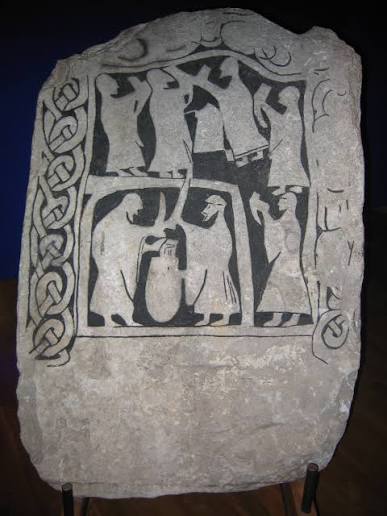
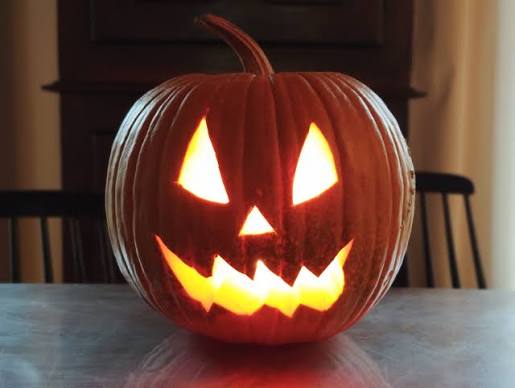
Halloween aligns with an ancient Celtic festival called Samhain. The festival, celebrated around October 31st, was associated with beliefs that the boundary between the living and the dead became thinner. The ancient Celts celebrated it not only because of these spiritual beliefs, but also as a time connected to livestock management and a signal of the final harvest. Many of the customs associated with Halloween, including costumes, can be traced back to Samhain; costumes were believed to help disguise people from or protect them against spirits during this haunting day. This festival is still celebrated in Scotland today.
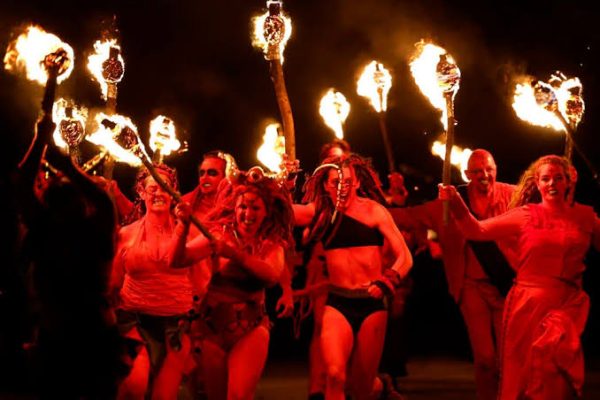
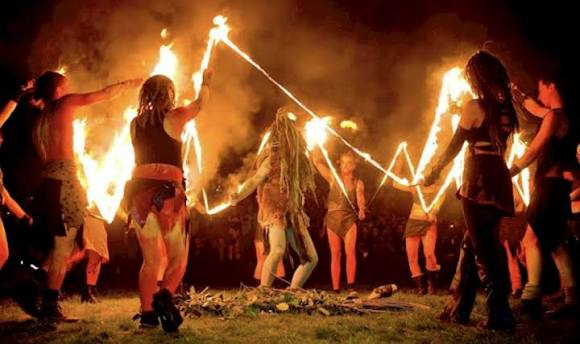
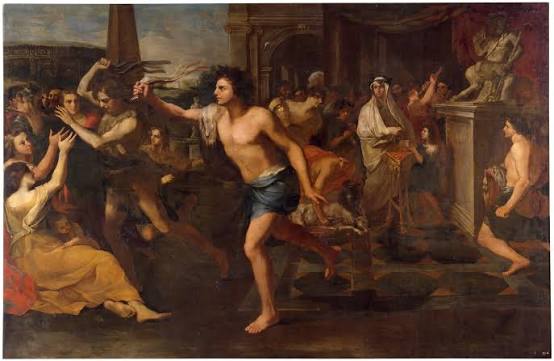
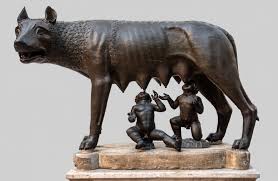
Valentine’s Day has connections to the Roman fertility festival Lupercalia. This festival took place on February 15 and combined religious rituals with social interactions that have sometimes been connected to matchmaking traditions. Young men used to draw lots to pair with women, and strips of goat hide from the festival’s sacrifices were also used in rituals believed to promote fertility. Lupercalia was held in honor of Lupercus, a Roman figure associated with fertility and shepherds. The festival was also connected to Roman legends surrounding Romulus and Remus, the founders of Rome, who were said to have been cared for by a she-wolf.
Some holidays incorporate multiple traditions. Easter combines Christian traditions surrounding the resurrection with seasonal symbols such as eggs and rabbits that have also been associated with springtime and fertility traditions.
The holiday Thanksgiving was founded in more recent times compared to these ancient festivals. The 1621 harvest gathering shared by English colonists and members of the Wampanoag people later became associated with the Thanksgiving tradition celebrated in the United States today.
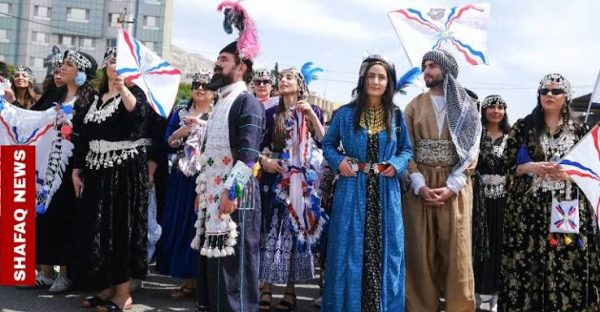
Even New Year celebrations have ancient parallels. New Year’s Day traditions share similarities with Babylon’s Akitu festival; this festival celebrated the rebirth of the natural world and renewal, much like we celebrate the renewal of each new year.
These holidays reveal how traditions can be adapted, reinterpreted, and carried across cultures over time. Whether these traditions are attached to community, spirituality, or religion, their development indicates humanity’s need to honor time. The celebration of holidays preserves heritage, fosters community, and keeps traditions alive for generations. With a better understanding of the historical and cultural origins behind many cherished holidays, you can incorporate or carry those older traditions into your modern celebrations.