






















Over the decades, school fashion has consistently changed and evolved. These transformations are due to societal shifts, cultural influences, and trends. Fashion in schools once reflected dress codes that were often tied to social class or gender norms, but later evolved into a form of individuality for students. Fashion in schools has become a way for students to express themselves and, at times, even make a statement.
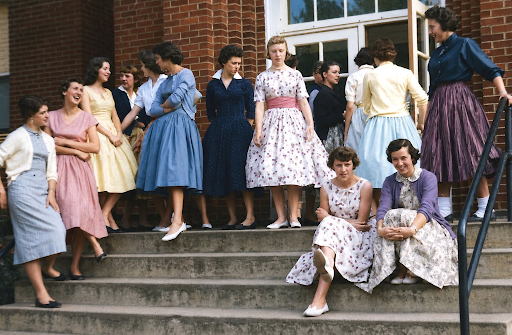
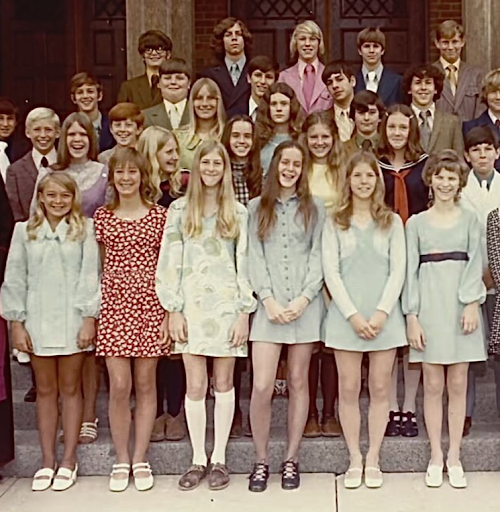
Starting in the 1950s, teenagers began to gain more independence. Their styles were influenced by Hollywood stars such as James Dean and Marilyn Monroe. Leather jackets, chinos, and letterman jackets were embraced by boys, while girls adopted poodle skirts, sweaters, and saddle shoes. Eventually, teen fashion shifted toward more of a rebellious style. The 1960s and 1970s brought bell-bottoms, miniskirts, and band tees. These eras paved the way for fashion to be seen as a form of self-expression.
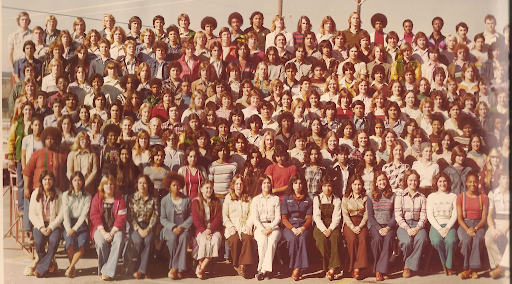
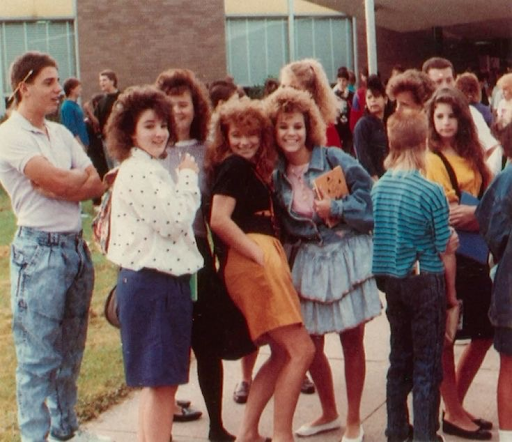
The 1980s were a decade of colorful, eccentric outfits that pushed the limits of traditional fashion standards. This era brought trends such as shoulder pads, streetwear, and glamorous, rock-inspired looks. Later in the decade, fashion began to break into different subcultures, such as punk, new wave, preppy, and goth styles. These styles were often influenced by music and youth culture. The fashion of this era still influences styles today.
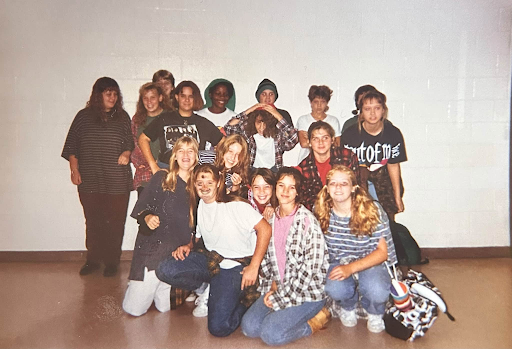
Moving into the 1990s, fashion began to dial down to more muted colors, with styles that incorporated flannels, baby tees, and distressed jeans. New trends emerged among teens, including grunge and skater culture. Fashion later became more heavily influenced by the internet in the 2000s. Trends included global brands like Abercrombie & Fitch and Hollister. Styles consisted of layered garments, athleisure, and more gender-neutral fashion.
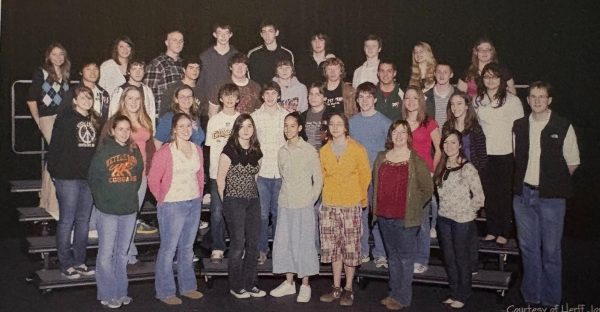
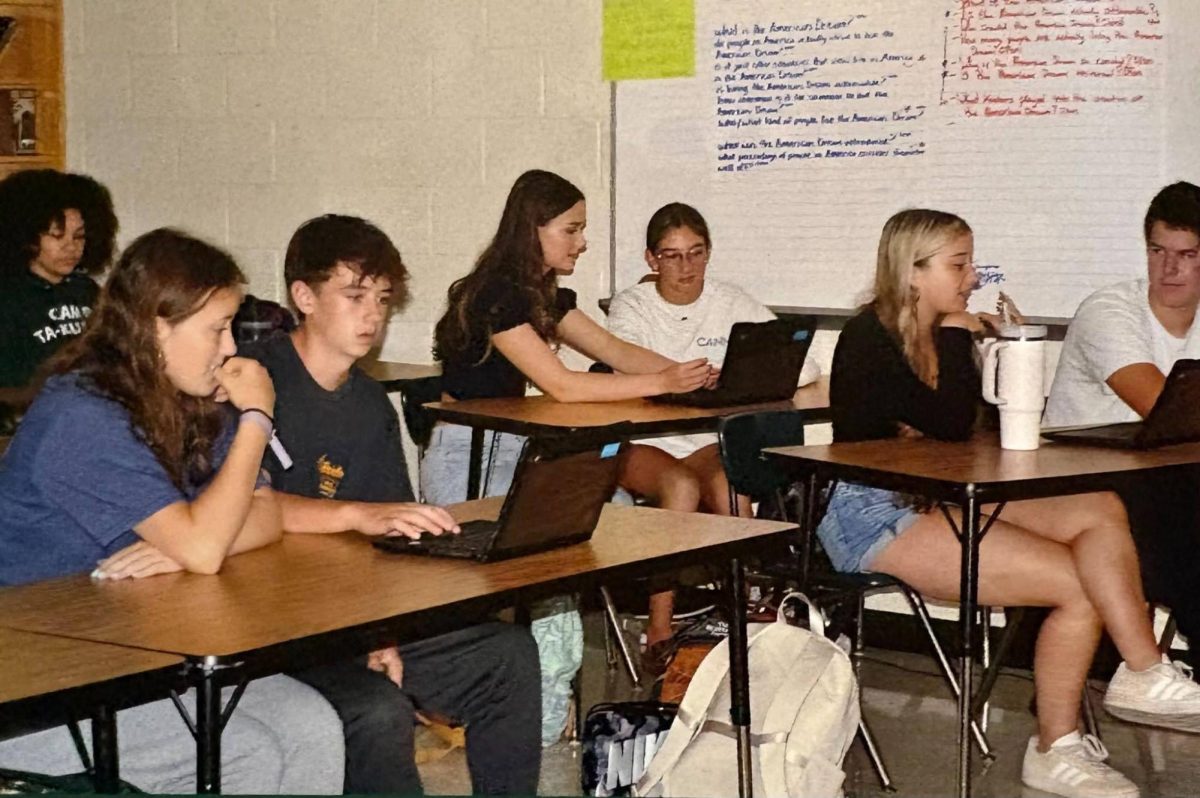
In schools today, students typically wear athletic and comfortable clothing. The style right now often includes sweats, leggings, basic tops, and baggy jeans. School fashion in 2026 reflects a blend of self-expression, sustainability, and digital influence, with trends heavily shaped by social media.
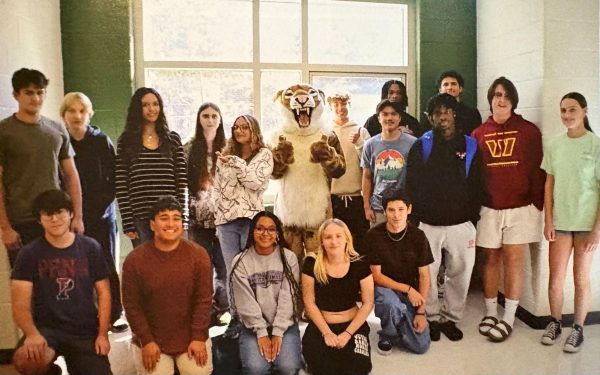
School fashion is more than just clothing; it’s a reflection of societal changes. Fashion has always been a way for students to show their identities and express themselves. Students should continue to be creative with their fashion because it’s a powerful form of social connection. Society benefits when people feel free to be their authentic selves.