



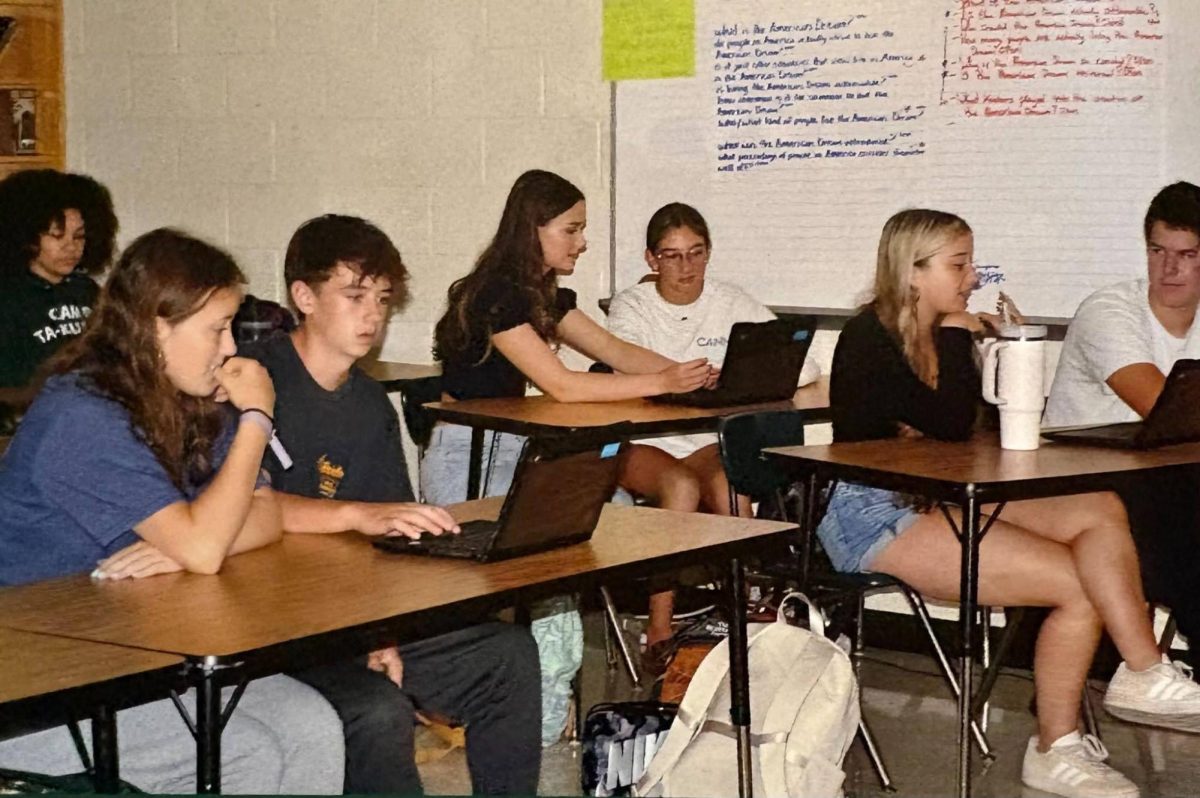













Between cracked phone screens, fifty open browser tabs, and backpacks stuffed with crumpled worksheets and dried-out highlighters, going to school today is basically just a messy tug-of-war. Students are stuck right in the middle of the physical world and the digital world, and trying to handle both at the same time is exhausting.
School tech departments love to promise that going completely paperless makes life way easier and keeps everyone organized. But for a lot of kids, clicking a tiny “submit” button on an app just doesn’t feel the same. It doesn’t match the actual, satisfying feeling of turning in a giant packet of paper that you finally finished. There’s just a weird sense of accomplishment when a student can actually hold their hard work in their hands, and a glowing screen can’t always recreate that feeling.
When you really look at it, the heaviest thing students are lugging around every day isn’t even their giant backpacks. It’s the exhaustion that comes from trying to do school on a screen while living in real life. Students are constantly forced to flip back and forth between actual books and a million different websites, which just leaves everyone feeling super stressed and annoyed by the exact tools that were supposed to make school easier.
When you look at how people actually learn, choosing between a screen and a printed page isn’t just a simple case of one being way better than the other. Writing for The Foothill Dragon Press, Audrey Szijj points out that paper has a natural way of keeping students focused and helping information actually stick in their brains. Plus, having an actual physical page right in front of you helps fight against the giant temptation to just copy and paste everything from ChatGPT when a teacher assigns a hard essay.
That said, everyone knows laptops make doing research and working on group projects incredibly easy, especially when you need to share a Google Doc with people who aren’t doing any work. That is why Szijj argues that the best classrooms do not just pick a side; they mix both together. Research also suggests that the best format may depend on the individual student. A researcher named Igor Peras looked into the data and found that the way students process digital text versus printed text can come down to who you are.
Whether a screen or a book works best depends on the person and what they are trying to study for. The smartest approach is to just use paper when a student needs to put their head down and seriously focus without getting distracted by a million open tabs, and save the tech for tasks where it is more useful.
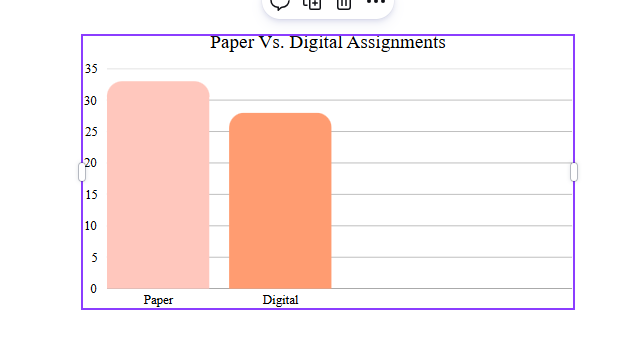
While the data shows that a balance of both methods is often best, how we actually manage this digital tug-of-war every day comes down to our own personal habits. Some of us still prefer the focus we get from a physical notebook, while others would rather manage everything from a single browser tab. To see where the rest of our student body stands on the daily struggle between screens and paper, take a look at the poll results below. We asked students and teachers about their personal preferences on the matter.